Digital drawing archive – how does it work and how can you benefit from it?
The digitization of properties is about structuring and making information accessible to everyone who needs it. When it comes to drawings, it is possible to work with both a digital file archive and a digital drawing archive. This facilitates the work in the operation and management of properties by saving both time and resources. Here we explain how the different types work, what we should keep in mind when using them, and how the systems can complement each other.
As an analogy with something we use in everyday life, one can liken a digital file archive to a scanned map and a digital drawing archive to a mapping service like Google Maps. You have access to both digitally, but the unique aspect of the mapping service is that it can be interacted with so you can search for different places and information, as well as make changes to it.
Digital file archive – a folder structure for drawing files
With a digital file archive such as iBinder, Dropbox, Google Drive, OneDrive, among others, your organization works in a cloud-based folder structure where you can save files (images, text, spreadsheets, and documents) related to different properties. One benefit of this is that you avoid searching for paper drawings that may exist in a binder somewhere in the office; instead, you can locate drawing files on your computer, wherever you are.
Here you can store 2D drawings as well as 3D drawings. To view them, you need to open them in a viewer program that supports the file format (PDF, DWG or BIM). If something is not correct in a drawing, you can leave a comment and contact an architect or other specialist who can redraw according to your changes. Thereafter, the updated version must replace the outdated one.
Some cloud services allow you to overwrite the existing file by saving the new one, but a problem that many property organizations point out is that employees download and save drawings on their computers (or print them out) and send these to others. With several different drawing versions circulating, the link to the original file is lost, and confusion about which one is correct can arise. To avoid this, it is important to ensure that everyone who has had access to a drawing also receives the updated drawing.
Digital drawing archive - an interactive property map
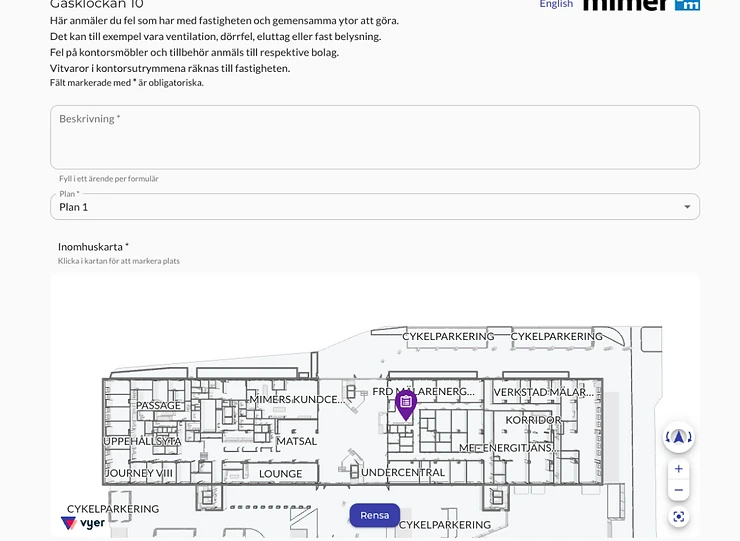
With a digital drawing archive , the organization gains mobile access to a shared digital platform with accurate drawings and models (3D maps) that can carry several parallel layers of information. The digital drawing archive is built by developing BIM models of the properties in the portfolio.
The geometries constitute the framework in the spatial database, where the organization's employees can add information layers and structure data based on their geographical location through manual entries, imports, and integrations with other systems—which allows data to be both read in and out. This can include everything from information about spaces and equipment to received fault reports, dates for planned maintenance, temperatures, and other factors important for daily operations. Links to the digital file archive can also be included here.
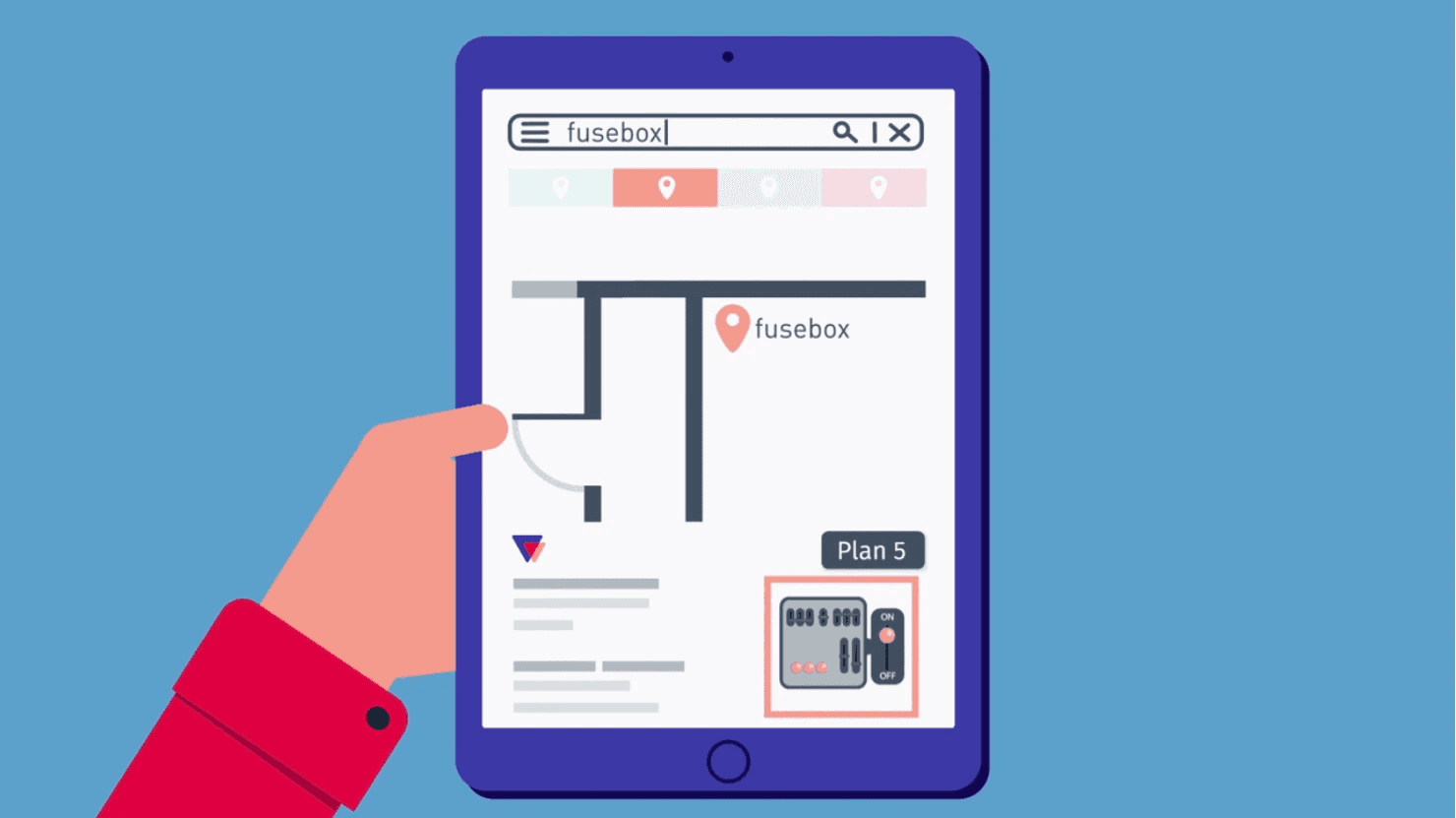
User-friendliness lowers the threshold and allows all employees to interact with the data available in the spatial database, to for example search for places and other information, filter the results, document their work, and correct data as needed.
When data is added or changed, or updates to the model are made, it automatically becomes visible to all users what was changed and when it was done. This ensures that the organization can always rely on all employees having access to the latest information.
What this means in practice is that you can virtually visit a building from a distance and communicate with your colleagues in the same system. Just as you can visit a city virtually with Google Maps to plan routes and gather information, you can do this for indoor environments and management to find information about spaces, equipment, cases, sensors, and more. It opens up a new world of opportunities to streamline everyday activities in your role. With access to reliable data over time, opportunities are created to make well-informed analyses to make data-driven decisions to minimize energy usage, conduct financial follow-ups and calculations, plan operations and maintenance, and develop the business.